How changing traveller preferences, social media, and technology are reshaping the hospitality industry.
Travel has always meant different things to different people, a break from corporate life, a deep-rooted passion, or even a full-time profession. But post-pandemic, the way people travel has fundamentally changed. From spontaneous trips to Instagram-worthy stays, the new-age traveller is looking for something beyond just luxury.
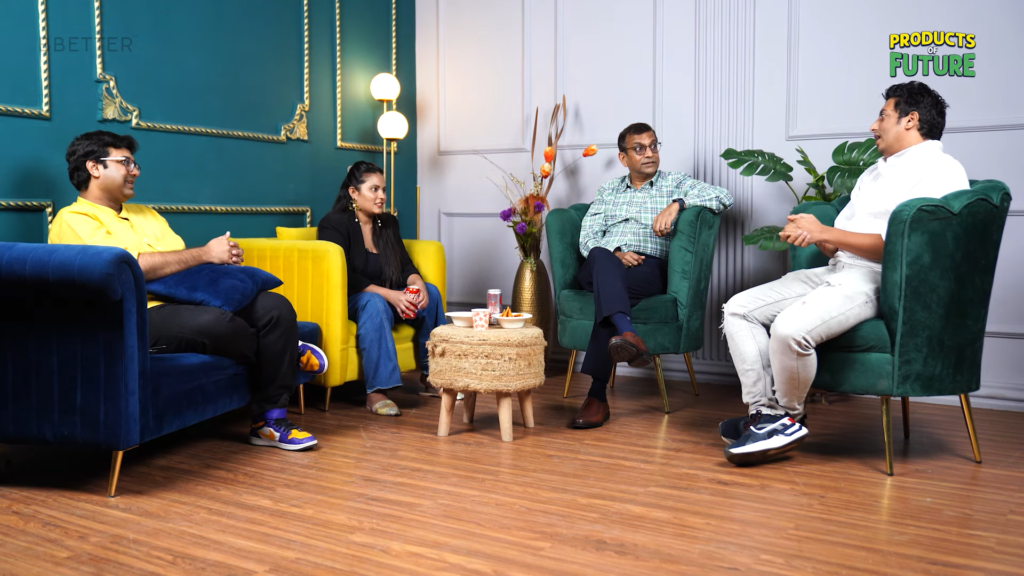
In a recent Products of Future podcast, Bhagyashree Bhansali hosted Giridhar Sanjeevi (ex-CFO, IHCL) and Mihir Shah (influencer and content creator) to explore how travel is evolving, who is travelling, what they seek, and where the industry is headed.
The Changing Face of Travel
“The travel boom in India is a product of multiple factors,” says Giridhar. Economic growth, better infrastructure, and a young demographic are driving this surge.
With More disposable income, more people are travelling.
Infrastructure development is leading to easier and faster travel
Government recognition is making travel as a major source of employment
But here’s an interesting shift: “Earlier, people planned their trips in advance, but now, they are more impulsive,” he adds. Spontaneity is in. Planning is out.
The Rise of Hidden Gems
For years, destinations like Goa and Himachal Pradesh dominated domestic travel. But is that still the case?
Mihir Shah, who creates travel content across India and beyond, has noticed something new:
“Post-COVID, younger travellers are less interested in historical sites like temples and forts. Instead, they prefer beachside cafes, bars, and unique resorts.”
Does this mean our cultural heritage is at risk? Mihir thinks there’s still hope. “People from the mid-80s and 90s are still interested in these places. If we promote them well, India’s heritage can be safeguarded.”
And one major shift? Road trips.
“COVID actually taught people to drive to their destinations,” Giridhar observes.
Bhagyashree asked a crucial question regarding the influencer and the aesthetics culture. “Are Hotels Under Pressure to Be ‘Instagrammable’?”
Let’s be honest. Would you stay in a hotel if it didn’t look good on social media?
Giridhar believes hotels are not under pressure but adapting to trends.
“When a celebrity or influencer posts about a stay, it becomes the talk of the town.”
Hotels now actively court influencers, offering free stays, collaborations, and exclusive experiences. But with more influencers entering the space, competition is growing.
Mihir shares the challenge: “It’s not just hotels competing, there’s competition among influencers too. There’s a threat to us as well. More people are entering into this field. Credibility is key.”
Are Young Travellers Paying for Luxury or Experiences?
Luxury hotels aren’t going anywhere but younger travellers are spending their money differently.
Mihir notes: “Younger audiences are saving money to spend on unique experiences, while those aged 35 or more prefer luxury, comfort, and service.”
Giridhar agrees: “There are people who will never stay outside a luxury hotel. Business travel is growing, and older travellers still prioritise premium hospitality.”
The future? A blend of experience-driven luxury.
Role of Technology is Transforming Travel
AR, VR, and seamless digital experiences are changing how we book, stay, and interact with hotels.
“With AR and VR, travellers can get a real feel of a hotel before booking,” says Giridhar. “Booking has become seamless, and technology now helps hotels identify their most valuable guests.”
It’s all about hyper-personalisation and giving travellers exactly what they want before they even ask.
Is Ethical & Sustainable Travel the Future?
Sustainability is becoming a priority, but are travellers truly committed?
“Sustainability is gradually evolving. Many customers are happy to make responsible choices,” Giridhar notes.
Some hotels now include carbon footprint details on bills, while others use smart showers that remind guests how long they’ve been in. It’s a small step, but awareness is key.
Mihir on the other hand thinks differently. In his view, travellers don’t want to know whether you’re using the resources sustainably or not for them experience and services matter the most.
The Future of Travel: What’s Next?
Giridhar and Mihir predict major shifts:
Technology will revolutionise travel – AR, VR, and seamless digital experiences will become the norm.
Authenticity will be everything – People will seek real, immersive travel experiences.
Sustainability will be a badge of pride – Ethical travel will shift from being a niche to a mainstream expectation.
More young travellers (20-40 age group) – A younger, experience-driven audience will dominate.
Personalised itineraries will boom – Tailored travel plans will replace generic packages.
Final Thoughts
The travel industry is at a fascinating crossroads. Luxury is still in demand, but experiences and authenticity are stealing the spotlight. Influencers continue to shape decisions, but credibility and trust are crucial. And while sustainability is still a work in progress, travellers are becoming more aware of their impact.
So, what kind of traveller are you? Do you go for luxury, experiences, or a mix of both? Let’s discuss in the comments!
Watch the full episode on YouTube https://youtube.com/@productsoffuture?si=msPun8gG4UDncBWe
Leave a Reply